Listen to part 2 here!

Emma's Story on the Hear Us Out Podcast
Listen to Emma’s cochlear implant journey on the Hear Us Out Podcast!

Hear Us Out Podcast: Balance Awareness Week
Check out our short bonus sessions about balance and dizziness. On the Hear Us Out Podcast, we will be discussing a variety of audiology related topics. Subscribe to our YouTube channel, or on Spotify, Apple Podcasts, or where you typically stream content. You can also follow us on instagram at The Hearing Center on Instagram.
Connect to Acuity Scheduling
RSS Block
Check out our brand new Podcast called Hear Us Out
Check out our Hear Us Out Podcast
You can subscribe to the podcast on Spotify, apple podcasts, you tube, and most streaming sites. We speak with a variety of guests, including musicians, public figures, authors, professionals, and patients. You are sure to learn something from these conversations and you may be entertained as well!

Follow us on Instagram!!
Follow us for fun and educational content on instagram at www.instagram.com/thc_audiology
Check out a walkthrough of our original Manalapan office
Check out a walkthrough of our original Manalapan office. We have done some work to modernize it recently! Check it our and reach out to us to schedule your appointments!
Check out a walkthrough of our NEW Manalapan Office!
Here is a link to a walkthrough of our new Manalapan Office! Check it out, and reach out to us to schedule your appointment! Manalapan Office Walkthrough Video
Follow The Hearing Center on Instagram
Please follow our practice on instagram @THC_Audiology
Take a look at our fun and informative content
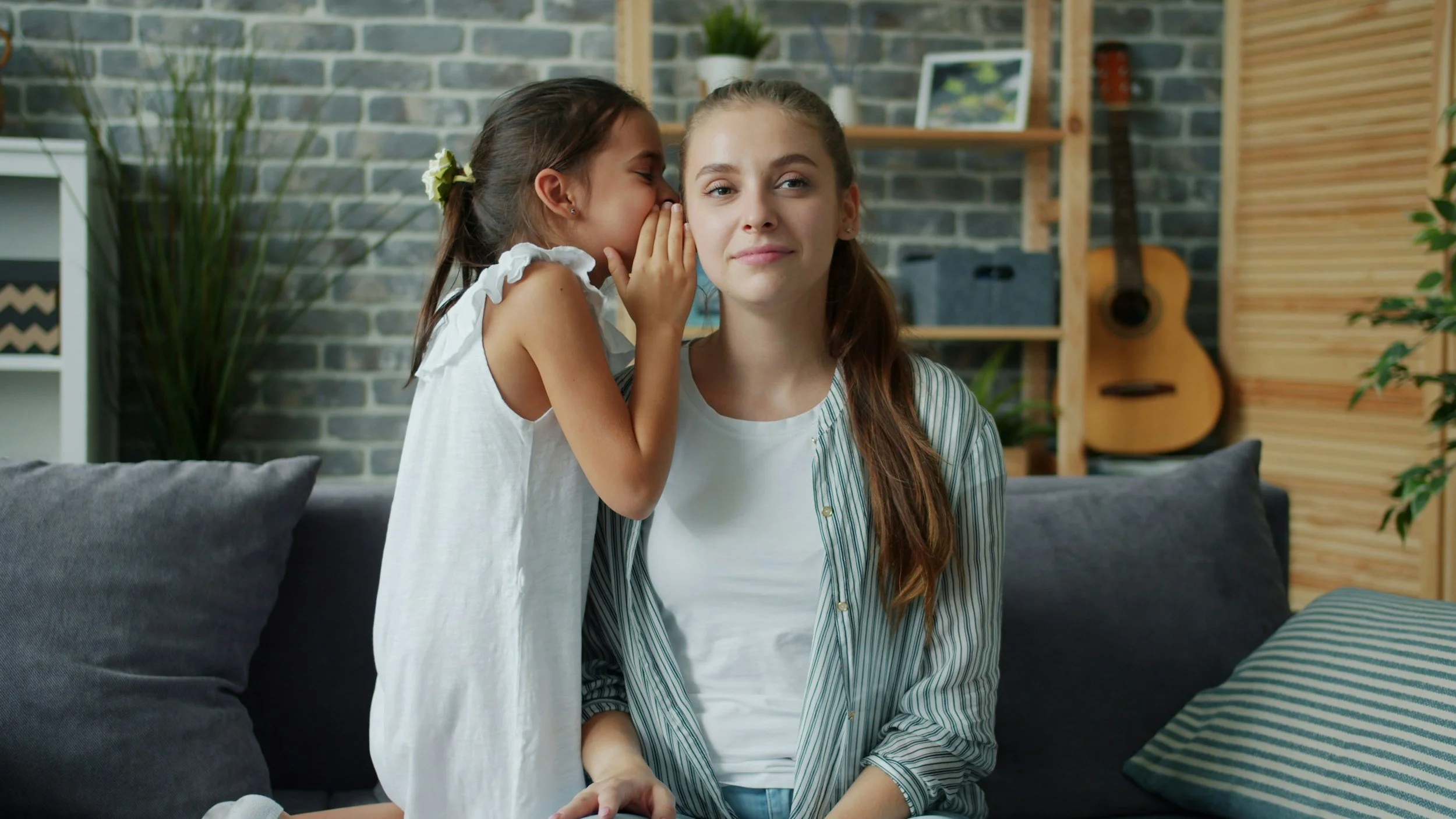
Why do hospitals, schools and pediatricians screen for hearing loss
What are school hearing screenings?
Screening programs are developed and used to identify individuals who are likely to have a specific condition.
In this case, we are talking about hearing screenings!
School-age hearing screenings are an integral tool in identifying children with hearing loss who were not identified at birth, lost to follow-up, or who developed hearing loss later.
A hearing screening is a simple “pass” or “fail” test.
Its purpose is to determine if a child has normal hearing or not.
It consists of a series of beeps or tones, played through headphones, at the limit of normal range to see if the child is able to hear them.
The child responds by raising their hand if the tone was heard across different pitches, and for each ear.
Purpose of a school hearing screening:
A hearing screening can detect potential hearing loss
The screening places a child into either a “normal hearing” group or “possible hearing loss group”
This would lead to a recommendation for further testing to rule out presence of hearing loss
School hearing screenings can pick up hearing losses that are missed at birth
Newborn hearing screenings that are done at the hospital do not reliably rule out potential mild hearing losses
When should we screen?
School districts have timelines set in place for when students will be screened:
Children who are entering school (Kindergarten, 1st grade in some places)
Children in K-3 (annual evaluations at these ages)
Children in 7th grade
Children in 11th grade
Children who have failed a grade
Children with speech/language delay
Children entering a special education program
Who Else Should We Screen?
However, there are other times outside of routine school hearing screenings when a child should have their hearing screening:
Concerns about hearing, speech language or learning
Family history of delayed or late onset hearing loss
Signs of syndromes that include hearing loss
Craniofacial/ear abnormalities
Persistent ear infections for more than 3 months
Head trauma and loss of consciousness
Ototoxic drug exposure (harmful to hearing)
Noise exposure
What is Considered a “Pass”?
Each tone is presented to the child 3 times at 20 dB HL, which is the cutoff loudness level to be considered within the range of normal hearing.
If a child hears it at least 2 out of 3 times, he/she passes at that frequency, or pitch.
If the child passes at all frequencies, then the child passes the screening.
What is Considered a “Fail”?
If a child does not respond to one or more of the tested frequencies at a level greater than 20 dB HL, it is considered a “failed” hearing screening
The child “fails” the screening even if only one ear did not hear the tones at this level
If the Child Fails the Screening, What Happens Next?
The child should be re-screened, either:
On the spot
On another date (should be within 24-48 hours after the first screening)
Another type of screening tool may be used to compare to results from the first screening
The child may be referred to an Ear, Nose & Throat doctor (ENT) or an Audiologist for a full hearing test
Parents should be notified about results from the screening either by mail or over the phone
Consequences of Missed Hearing Loss:
Impaired hearing is a primary health condition, just as impairment of any sense organ.
Sensory deprivation results in restricted or non- development of the central auditory nervous system.
Communicative: Compromised speech-language development.
Social/Emotional: Family will use ineffective communication behaviors, experience frustration, and misinterpret the child’s behaviors and might experience guilt and anxiety when the hearing loss is diagnosed.
Cognitive/Academic: Negative effects on vocational and economic potential and contributions to society.